
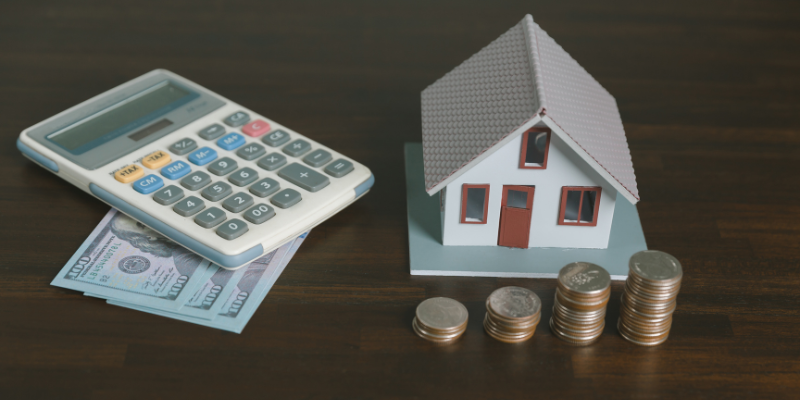
Dallas, TX Cost of Living: What It Really Costs to Live
Dallas, Texas, exudes a sense of possibilities. Dallas attracts thousands of new residents each year, thanks to its thriving job market, diverse neighborhoods, dynamic food scene, and pleasant environment. But, beneath the skyline and possibility, there remains a crucial question: how much does it really cost to live in Dallas, Texas?
Whether you’re thinking about moving, renting your first apartment, or acquiring a home you can’t afford, knowing your entire financial picture can help you make better decisions, especially when housing costs start to feel overwhelming.
Factors Affecting the Average Cost of Living
Prospective Dallas residents can empower themselves by studying the many elements that affect the average cost of living. Housing is the biggest expense factor. Dallas’ price index fluctuates with the housing market, making the city seem pricier or cheaper. Transportation costs also impact the price index. Variable gas and public transit prices can reduce or accelerate people’s financial burdens.
Another important factor is utilities. Warmer temperatures, especially in summer, can increase energy use and utility costs. This must be considered with the relatively consistent cost of groceries, which typically matches the national average, making it a predictable part of a single person’s monthly budget.
Local economic conditions also affect living costs. A strong employment market raises the living index as more individuals take advantage of opportunities, raising housing and service demand. Taxation and financial incentives can gradually affect cost patterns, lowering or raising particular expenditures. Thus, while Dallas may seem pricey in some areas, it offers a wide range of affordable housing options to meet the budgets of different demographics. You can better manage Dallas’ economy by understanding these factors.
Housing Costs in Dallas: The Biggest Expense
The cost of living in Dallas is primarily driven by housing expenses. Although the city has traditionally offered more budget-friendly options compared to coastal areas, there has been a consistent increase in home prices and rents driven by population growth and rising demand.
Homeownership in Dallas
Owning a home in Dallas comes with:
- Monthly mortgage payments
- Property taxes (Texas has no state income tax, but property taxes are higher)
- Home insurance and maintenance
- HOA fees in some neighborhoods
For many homeowners, expenses can add up quickly, particularly when repairs are needed or unexpected costs arise. When the financial burden of maintaining a home becomes overwhelming, a popular solution is to sell your home for cash in Dallas and nearby cities, enabling a fast transfer of ownership in its current condition without the stress of repairs or traditional market listings.
Renting vs. Buying
While renting might seem more budget-friendly at first glance, the potential for rent hikes can lead to unpredictable long-term costs. Purchasing provides a sense of security, but this is only true when the financial obligation matches your earnings and way of life.
Utilities and Energy Costs
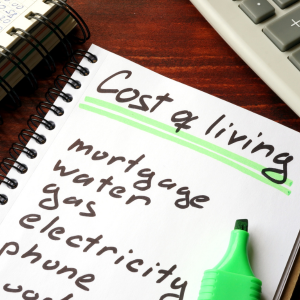
Dallas summers are long and hot, which has a direct influence on utility expenditures. Air conditioning is not an option; it is a must. Utility costs often include:
- Electricity
- Water and sewer
- Trash collection
- Internet and cable
Older homes frequently have insufficient insulation or out-of-date HVAC systems, resulting in higher monthly energy bills. Homeowners with escalating utility expenses may find that selling their property for cash provides a fresh financial start.
Monthly Utilities Overview
Dallas’ environment and lifestyle make utilities a big part of your monthly bill. As Dallas summers heat up, air conditioning becomes a necessity, raising electricity expenses. Dallas residents pay more for electricity than inhabitants in cooler areas, making utilities a major monthly expense. The cost of water, another important household service, is steady, making your monthly utility summary predictable. Natural gas prices, used for heating and cooking, vary by season and demand. Knowing these variations helps with household budgeting.
Adding internet and mobile phone plans to these basics increases monthly costs. These services are affordable in Dallas due to its tech-centric growth. As carriers compete for clients, it’s feasible to discover packages that cut monthly payments, but balancing cost and service quality is important. Dallas’ utility rates are similar to the national average, which helps with budgeting. Residents can enjoy city benefits without financial strain by managing these services correctly.
Due to the cost of these services, energy-saving strategies are crucial. Using energy-efficient equipment and being mindful of usage can lower the average monthly cost, allowing for savings or reallocation of funds. Local and online initiatives offer energy conservation advice and incentives. You may successfully manage family spending in this bustling city by being informed and proactive.
Transportation Expenses
Dallas is a car-centric metropolis. Although public transportation is available, the majority of residents rely on their personal vehicles. Transportation costs include:
- Gasoline
- Auto insurance
- Maintenance and repairs
- Parking and tolls
Long commutes can quietly drain monthly budgets, especially for households with numerous automobiles.
Cost-Effective Transportation Options
Moving to Dallas, Texas, requires consideration of transportation. Dallas’s broad terrain needs knowing how its transit alternatives meet your budget and daily schedule. The city has many affordable transportation options for varied needs. Public transportation like DART is economical and convenient for city travel. DART’s vast coverage connects residential areas to economic and cultural hubs, decreasing transit costs compared to private vehicles. These services are cheaper than public transit nationwide, saving customers money.
Carpooling and ridesharing have gained significant traction as preferred modes of transportation. Uber and Lyft enhance transportation options and connect seamlessly with other transit systems. Dallas is enhancing its bike lane network, encouraging cycling as a green and cost-effective transportation option. Community-driven efforts promote and improve these routes for both leisure and practical travel. Strategize to navigate peak traffic and elevated gas prices, ensuring car ownership in Dallas remains feasible.
Dallas has lower gas prices than larger cities, making car-based commuting cheaper. Parking fees and upkeep charges can add up, so be aware. Online transportation calculators can help you estimate these costs and fit them into your budget. Considering seasonal changes and traffic, the correct mobility options can dramatically cut average commuting costs, leading to a balanced cost of living index in this dynamic metropolis.
Groceries, Dining, and Everyday Expenses
Dallas has a lot of food stores, from cheap chains to high-end organic businesses. Eating out is a big part of many cultures, but going to restaurants a lot may rapidly add up to a lot of money.
Families typically have to plan their budgets carefully to make their overall living costs reasonable when they have to buy food, eat out, and have fun.
Grocery Costs for Dallas Residents
Another major Dallas expense is groceries. Grocery prices in the city are somewhat lower than in other major cities. Prices for groceries are usually around the national average, making monthly grocery shopping predictable. Dallas’s high-end and inexpensive retailers cater to all economic levels. Variation lets residents choose stores that meet their budgets, lowering food expenses.
The price of bread, milk, and fresh food varies across the city. Access to suppliers and consumer demand affect this pricing. Although organic and specialty foods are more expensive, the city’s focus on diverse diets and healthy living makes them readily available. Local farmers’ markets and co-ops offer fresh, affordable vegetables, supporting local agriculture and the community.
Additionally, dining out affects grocery costs regularly. A diverse culinary culture, from street cuisine to fine dining, can attract new inhabitants to Dallas. Restaurant visits can boost monthly costs; therefore, many locals balance them with home cooking to stay under a food budget. Planning meals and buying in bulk reduces waste and helps families and individuals take advantage of markdowns. Understanding grocery costs lets residents make weekly budget adjustments to fit their lifestyle and enjoy Dallas’ unique food culture.
Healthcare Costs in Dallas
Dallas has great healthcare, but the costs might be very different depending on what kind of insurance you have. When housing prices are high, out-of-pocket fees, prescriptions, and appointments to specialists can put a burden on resources.
At A Cash Home Buyer, we buy houses in Austin and the surrounding areas, helping homeowners sell efficiently and without complications.
Taxes and Insurance Considerations
Texas doesn’t have a state income tax, which is nice, but homeowners need to account for:
- Higher property taxes
- Rising home insurance premiums due to weather risks
If taxes and insurance go up faster than income, selling a property might be a smart financial choice instead of a last resort.
When the Cost of Living Becomes Too Much
For certain homeowners, the cost of living in Dallas can ultimately exceed their financial comfort zone. Life transitions like divorce, job loss, medical expenses, or inherited properties can transform a home into a financial strain.
Here’s how selling to a cash home buyer such as A Cash Home Buyer can provide a solution:
- No repairs required
- No agent commissions
- Fast closing timelines
- Certainty and simplicity
Learn more about your options. Contact Us at A Cash Home Buyer.
Why Dallas Still Attracts Residents
Even with increasing expenses, Dallas continues to be appealing because of:
- Strong job market
- Business-friendly environment
- Cultural diversity
- No state income tax
It’s essential to match your housing options with your financial situation.
Final Thoughts on Dallas, TX Cost of Living
Residing in Dallas offers many benefits, yet it also presents certain financial hurdles. Housing, utilities, transportation, and taxes significantly influence your monthly budget. For homeowners experiencing pressure, choosing to sell to a trustworthy cash buyer can be an innovative and empowering choice, rather than a setback.
A Cash Home Buyer empowers homeowners in Dallas to take charge of their finances with quick, fair, and hassle-free solutions.
FAQs:
Is Dallas Expensive to Live in?
Dallas is modestly priced, with housing being the most costly. Expenses vary according to neighborhood and lifestyle.
What is the Biggest Cost of Living Factor in Dallas?
The most expensive items are housing mortgages, rent, property taxes, and utility bills.
Are Property Taxes High in Dallas?
Yes, Texas does not have a state income tax, but it does have higher property taxes.
Should I Sell My House if I Can’t Afford It Anymore?
If home costs are causing financial stress, selling, particularly to a cash buyer, can be a wise decision.
What Are the Benefits of Selling to A Cash Home Buyer in Dallas?
Faster closings, no repairs, no commissions, and less stress.
Helpful Dallas Blog Articles
- Selling A Dallas, TX Home With Unpermitted Work
- Free Things to Do in Dallas, TX
- Dallas, TX Cost of Living
- Dallas, TX Closing Costs Calculator
- Dallas, TX Capital Gains Tax Calculator
- Dallas, TX Property Managers
- Can You Sell a House with Water Damage in Dallas, TX?
- Can I sell a house in Dallas, TX, with a quit claim deed?