

People who own homes in Fort Worth, Texas, need to know about property tax rates so they can keep track of their money and avoid getting bills they didn’t expect. The Dallas–Fort Worth (DFW) area is growing swiftly, and the tax rates can change a lot depending on where you reside, how much money you have, and how much your property is worth. This means that they are a key part of figuring out how much you spend each year. This tutorial gives a clear and helpful explanation of how property taxes are calculated and how the system works. You will learn how to figure out how much you owe, how to minimize your total tax bill, and how different aspects of local taxes work together. If you know what you’re doing, you may buy a house in the developing Fort Worth area and keep your money safe.
Brief Overview
People who own homes in Fort Worth, TX need to know about property taxes so they can stay within their budget and make good financial decisions. This long explanation talks about how property tax rates are decided in the DFW area and how they affect the cost of living in a home each year and the value of a property over time. People who are selling their homes should know about the tax rules in their area because the timing and exemptions can have a huge effect on how much money they make. If sellers know exactly how the system works and can make accurate projections, they may be able to better handle their taxes and even lower them in some cases. This knowledge helps homeowners take advantage of the many opportunities that come up in Fort Worth’s bustling real estate market and get better returns on their investments. Read our post to learn more about how to conduct your property tax work correctly.
Key Highlights
- You need to know what the property tax rates are in Fort Worth so you can make smart decisions regarding your budget and selling your house.
- Taxes on property in Tarrant County affect the value of homes, the earnings from sales, and overall financial planning.
- You can pay less in taxes by using tax calculators and other tools.
- When you compare Fort Worth’s tax rates to those of nearby towns, homes may look more enticing and sell faster.
- It’s easier to cope with Fort Worth’s property tax system when you know what you’re doing with taxes.
How to Learn About Fort Worth’s Property Taxes
Property taxes play a major role in shaping Fort Worth’s real estate market. They influence everything from listing prices to how long a home remains affordable for buyers. Homeowners in Tarrant County who are preparing to sell should understand exactly how property taxes work and how the current tax rate can impact overall property values in the broader market. For companies like We Buy Houses Texas, this knowledge is essential when helping sellers navigate fair offers and timing. This section highlights the key details sellers need to know, including important tax-year deadlines and how different payment options can affect financial planning during the selling process.
Things You Should Know Before Selling Your Home

If you want to sell your home in Fort Worth, property taxes are more than just a background issue. They have a direct effect on how much money you make. Taxes in Tarrant County could change how purchasers feel about your house and how much money you make. The government sets tax rates every year, although they can fluctuate based on the county’s budget needs, fresh property assessments, and bigger financial policies. Sellers who know how these parts work together can better guess how much money they will make and avoid surprises.
Before you sell your house, one of the first things you should do is check your taxes. This means you need to know what tax year it is, when payments are due, and that you don’t owe any money or penalties. There are a lot of rules and different exemptions in Fort Worth that make it challenging to figure out how much you owe in property taxes. Knowing these items will benefit you when you set up your sale.
The time can also matter. Property values are reviewed again from time to time. Your taxes may change if the value of your home goes up or down. You can’t stop every change, but understanding how often your property is assessed could help you get ready for changes that could modify how much you pay overall. A thorough appraisal that takes into consideration the current state of the market also makes your price approach stronger, which makes it easier for buyers to understand and bargain.
Another important step is to have your money in order. Sellers should set aside money to pay any property taxes that are still outstanding if the value or rate changes. If you plan beforehand, your deal will stay on track, and you won’t become stressed out at the last minute. Being ready for these items will help you stay on budget and keep the closing process on time.
You should also think about the many ways to pay. In Fort Worth, you can pay your property taxes all at once or in installments, depending on your situation. Different strategies have different implications on cash flow. Some sellers want to pay in full to avoid paying additional interest, while others would rather pay in installments so they don’t have to pay everything at once. Knowing what your alternatives are will help you make the greatest choice for your money.
Sellers who know what they’re doing usually have an edge. Property taxes remain affecting Fort Worth’s real estate market, but people who stay up to date with the news can adjust more easily. Your house will look better, sell faster, and make you more money if you plan ahead and pay your taxes on time.
If you are selling a home in Fort Worth, you should think about these aspects when it comes to property taxes:
- Keep in mind that the rates for property taxes can be different in different neighborhoods. This could impact how much you owe in taxes on your house.
- Learn about tax incentives that could help you pay less, such as the homestead or senior exemption.
- Make sure that your evaluation matches the current market worth so you don’t pay too much.
- Think about how repairs or upgrades that were done recently may have made your property worth more when you file your taxes.
- Think about when in the tax year you want to sell your property as you prepare the sale.
- If you need help with your taxes, go to a tax expert in your region.
- When you sell, it will be easier to deal with tax issues if you know these items.
What the Tax Rate Means for Selling Your Home
The amount of money you make when you sell your home is directly affected by the property tax rate in Fort Worth. The value of a property is determined by taxes, which also affect how buyers see it and how much it sells for. Sellers should remember that prices and discussions might be affected by local budgets, assessments, and tax laws. You may use a tax calculator to see how different situations might affect your money. This might help you keep track of your money better.
How to Find Out What Your Tax Rate Is in Fort Worth
Before you can sell, you need to know how much property tax you owe in Fort Worth. The Tarrant Appraisal District’s estimate of how much your property is worth, the county’s budget demands, and the local tax laws are just a few of the elements that determine the rate. It could seem hard, but if you break it down into smaller parts, it will be easier to understand.
The Tarrant Appraisal District figures out how much your home is worth for tax purposes. It’s important to keep your records up to date because changes in the market or to your home can affect things. Checking your appraisal makes sure that the information used to figure out your taxes is proper.
Tax calculators can help sellers. You can find out how much you could have to pay in taxes in different situations by inputting the value of your property, any exemptions, and the current rates. This helps you decide when to sell and how to manage your money.
Changes to the county’s budget can change rates. Changes can be made every year to meet budget needs, which can change the amount of tax you owe. These cycles can help you figure out when to do things.
You can also learn about the area by glancing at a neighborhood map and noticing the communities around you. Looking at how different areas connect can help you spot bigger patterns and even anticipate what might happen next. When it comes time to negotiate and close the deal, having strong math skills and paying close attention to the numbers will give you a real advantage.
The tax on the property is a large part of the price.
Property taxes in Fort Worth play a major role in determining home values. Local tax laws and property appraisals directly influence what buyers are willing to pay and what sellers can ask. When homeowners understand how taxes impact pricing, they’re in a much stronger position to sell your house fast in Fort Worth and make smarter selling decisions.
How to Get the Most Money for Your Property
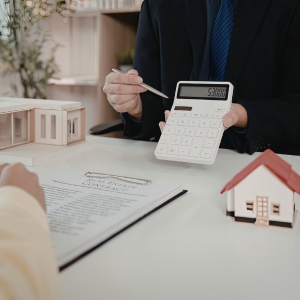
- Planning for property taxes is a vital part of your overall plan to sell effectively in Fort Worth. First, you need to know how the present tax rates affect the prices you set and how changes to valuations can modify your costs.
- Keep in touch with the Tarrant Appraisal District to make sure that the valuation of your home is in line with what is really going on in the market. Accurate evaluations can give you a good idea of what to expect in terms of cost.
- Use tax calculators early on to find out how much you owe and set up your sale for times that work for you. You might be able to utilize these tools to find out what could happen to your money.
- Whenever you can, take advantage of exemptions. Tax breaks for seniors, veterans, or persons who live in a homestead can lower your taxes and make your home more appealing to buyers.
- Changes to the city budget that could effect expenditures are something you should keep an eye on. Knowing what to expect can help you avoid being surprised.
- Last but not least, keep the market clean and show it off effectively to make it look better. This can help you get a better sale price and make your position stronger if you prepare your taxes smartly.
Looking compares Fort Worth’s tax rates to those of nearby areas
You can see how Fort Worth’s tax rates affect buyer interest by comparing them to those of other cities, such Arlington or areas of Dallas County. Sellers can use these differences to their advantage to make homes more desirable to purchasers.
How easy it is to sell will alter
The amount of tax you have to pay could make a house look more or less enticing to buyers. People may not buy if the prices are too high, yet reduced prices can assist sell. Tarrant County has a variety of tax districts, which makes things more confusing because rates may alter depending on what different schools or areas need.
Sellers might use tax calculators to check that their prices are what customers in their area expect. It could be easier to think about the money perks, such low rates or tax breaks.
Clear information builds trust because individuals usually conduct a lot of research before making a purchase. Your sales pitch will be more useful if you include information regarding exceptions or lower effective tax burdens.
In the end, sellers can show off their homes in the greatest light and garner real attention by knowing how Fort Worth stacks up against other nearby areas.
How to Get the Right Information About Property Taxes
People in Fort Worth should be able to trust what they hear about taxes. People who sell items need to be able to trust the information they get about rates, assessments, and duties.
Things that can help you learn about how taxes operate where you live
The Tarrant Appraisal District is a good place to start because it includes regulations and information about assessments. You can be confident that your estimate is correct by looking at these papers.
You can use online tax calculators to find out how much you owe by entering information about your property and any tax reductions you may be eligible for. These forecasts help you make smarter plans.
Learn more about the tax codes in your area and how they are different from those in other places, such as school districts that affect rates. Community forums and county authorities deliver regular updates.
Apply for exemptions ahead of time to pay less in taxes. Regularly checking in with the appraisal district helps keep things in line.
Government websites and outreach programs also give businesses news and instructions, which help them stay up to date on changes in the legislation.
How to Use Your Property Tax to Make Your Next Home Budget
People look at property taxes to see how much they can spend on items in the future. Knowing about recurring costs can help people get ready for them.
Planning for Better Money Outcomes

Don’t forget about property taxes when you make a budget to buy a house in Fort Worth. Do your research beforehand because pricing depends on how much money you have and how much the property is worth.
Tax calculators can help you figure out how much you can save and compare homes. You can obtain better results if you use exemptions and time wisely.
Think about how taxes affect the price of a home and how soon it may be sold. Your financial strategy will be flexible and ready for anything that comes up if you keep an eye on things.
Understanding property tax rates in Fort Worth and across the DFW area doesn’t have to be complicated when you have the right tools and guidance. Staying informed about interest rates also helps safeguard your financial plans and keeps you ahead of market changes. Preparation is the key to making confident, smart decisions, whether you’re buying or selling.
Download our free guide to learn more, avoid costly surprises, and move one step closer to becoming a savvy homeowner. And if you’re looking for a faster option, A Cash Home Buyer buys houses cash, reach out today to explore your choices.
FAQs
How can I find out how much property taxes I owe in Fort Worth, Texas?
You should use the Tarrant Appraisal District’s value and the local tax rate. You can use tax calculators to find out how much you really owe.
What tools are there in Fort Worth to help you pay less in property taxes?
Tax calculators, homestead exemptions, benefits for seniors, and programs for veterans can all help you save money. Your local tax office can help you.
Why do people who sell properties in Fort Worth need to know how high property taxes are in the area?
Taxes affect how much things cost and how much money they make. You can plan, set prices, and use exemptions when you know what you’re doing.
How does the property tax in Tarrant County affect the value of homes?
Taxes impact how inexpensive something is and how interested customers are, which changes how prices are set and how well something sells.
Is it a good idea to compare Fort Worth’s property tax rates to those in other places?
Yes, sellers can look at homes in other areas and set prices that are competitive and attract buyers.
Helpful Fort Worth Blog Articles
- Contingency On Selling House in Fort Worth, TX
- Condemned House Requirements in Fort Worth, TX
- Divorce Home Appraisal in Fort Worth, TX
- Selling Home with Reverse Mortgage in Fort Worth, TX
- Selling a House After 3 Years in Fort Worth, TX
- Is Fort Worth, TX Safe?
- Fort Worth, TX Property Managers
- Free Things to Do in Fort Worth, TX
- How to Sell a Deceased Parent’s Home in Fort Worth, TX
- Understanding the Taxes When Selling Your home in Fort Worth, TX
- Fun Facts About Fort Worth, TX
- Fort Worth, TX Property Tax Rate
- Fort Worth, TX Neighborhood Map
- Fort Worth, TX Cost Of Living
- Fort Worth, TX Closing Costs Calculator
- Fort Worth, TX Capital Gains Tax Calculator