
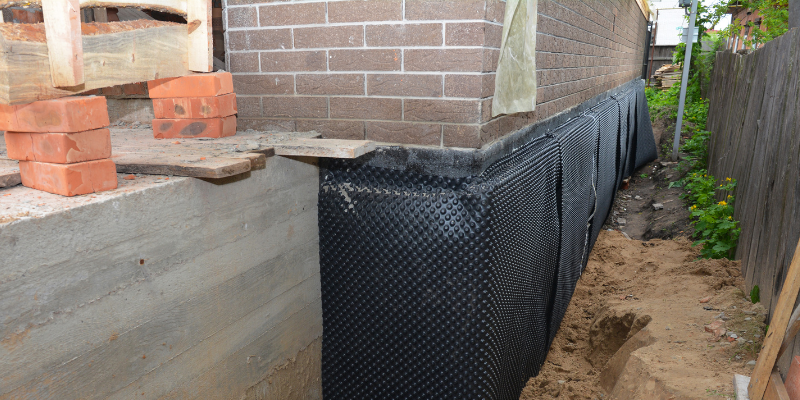
You list your house, get a few showings, and then everything stops after a buyer’s inspection reveals foundation problems, a situation many Texas sellers face. Expansive clay soils across Dallas, Houston, San Antonio, Austin, and other parts of the state expand and contract with changing weather, putting constant stress on foundations and often causing damage that goes unnoticed for years. The good news is that foundation issues do not make your house unsellable, but they do mean you need a clear plan before moving forward.
What Counts as a Structural Issue When Selling a Home?
Plenty of sellers ask whether a hairline crack near a window frame is really worth disclosing. The answer is yes, and here is why that matters practically rather than legally. Inspectors hired by buyers find things, and undisclosed issues that surface during due diligence kill transactions faster than disclosed ones do. Transparency up front keeps buyers at the table.
Structural issues cover more ground than most people imagine. Cracks in foundation walls, whether stair-step cracks in brick veneer or horizontal fractures in a concrete slab, qualify. So do uneven floors, doors or windows that stick or no longer close square, gaps between walls and ceilings, and visible separation between the chimney and the house body. Moisture intrusion through the foundation falls into this category, too, since water and soil movement almost always travel together in Texas.
A structural engineer, not a general contractor, is the right person to evaluate severity. Texas law specifically authorizes licensed professional engineers to diagnose structural movement and recommend repairs. A free inspection offered by a repair company is really a sales call wearing work boots. Spend the few hundred dollars on an independent engineering report (I’ve seen it cut weeks off negotiations). The document becomes a sales asset, not just a legal formality.
A Cash Home Buyer offers cash solutions for sellers dealing with structural issues or needed repairs. We buy houses as-is, so you can avoid costly fixes, inspection concerns, and lengthy negotiations while moving forward with a simple, hassle-free sale. Contact us to learn more.
Common Signs of Foundation and Structural Problems in Texas Homes
Knowing what to look for starts inside the house, where signs often appear before they’re visible outside. Walk the floors slowly. A bouncy subfloor in a pier-and-beam home can indicate shifted joists or beams. In a slab foundation, a noticeable slope toward one corner may indicate soil settlement or heaving beneath the slab (and repairs are rarely cheap).
Walls reveal problems, too. Diagonal cracks extending from door frames or windows toward the ceiling are a major warning sign of differential settlement, in which one part of the foundation moves while another remains stable. Straight cracks along drywall seams are usually less concerning. Horizontal cracks in brick or block foundation walls are more serious because they often point to lateral soil pressure pushing against the foundation.
Outside, step back and inspect the roofline. A visible sag or bow can indicate that load-bearing walls have shifted. Gaps around windows, a garage door that no longer closes properly, or water pooling near the foundation after rain can all signal soil and moisture issues. Trees planted too close to the home can make things worse. Mature roots can pull moisture unevenly from clay soil, causing one side of a slab to settle faster than the other.
Earlier this spring, I worked with the Caldwell family in Pflugerville, just northeast of Austin, who were three months behind on their mortgage with an auction date already scheduled. Their home had a sticking front door, diagonal cracks near two windows, and a noticeable dip in the living room floor, foundation problems I’d seen in several older Pflugerville homes. The garage also held two unfinished project cars that had been sitting untouched for years. We closed quickly, and they avoided a foreclosure on their record.
How Serious Is the Structural Damage in Your Home?
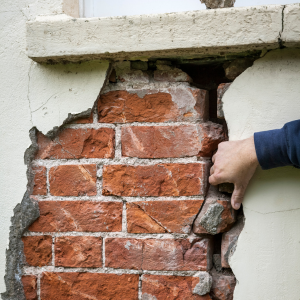
Get an engineering report before spending money on repairs. Sellers often skip this step and either over-repair or under-repair, wasting money. A licensed structural engineer can determine whether the foundation is actively shifting or has settled and remained stable for years. That difference matters because buyers view stable, historical movement very differently from ongoing structural problems.
Minor issues include hairline slab cracks, small gaps around door frames, and slight floor unevenness under an inch. These are common in Texas homes over 15 years old and often cost $500 to $3,000 to fix. Moderate issues, such as multiple wall cracks, sticking doors, or measurable floor slopes, cost more. Severe damage, including shifted foundation walls, deep slab fractures, or compromised load-bearing walls, can cost more than $20,000 in repairs.
A common mistake is trusting the first contractor quote as the final answer. Foundation repair costs vary by region and soil conditions. The DFW area’s expansive clay often requires deeper pier installation, increasing costs. After getting an engineering report, compare two or three independent repair estimates to create leverage when negotiating with buyers or deciding whether repairs are worth making.
If foundation repairs feel overwhelming, contact us for a cash offer on your home. We buy houses as-is, allowing you to skip costly repairs, contractor delays, and the uncertainty of a traditional sale.
Texas Disclosure Laws and Structural Issues You Must Report
A homeowner in Sugar Land had gotten a verbal estimate from a contractor two years before listing, never had formal work done, and genuinely wasn’t sure whether to mention it on the seller’s disclosure. Her agent told her to leave it blank. That was bad advice.
Under Texas Property Code Section 5.008 and the Texas Real Estate Commission (TREC) Seller’s Disclosure Notice, sellers must disclose known foundation defects, structural repairs, moisture issues, and settling. The keyword is “known.” If you were aware of a problem and failed to disclose it, you could face liability after closing. According to Houzeo, roughly 77% of real estate lawsuits nationwide are linked to disclosure issues, underscoring why full disclosure protects Texas sellers too.
Filling out the TREC disclosure completely, including any past repair work, engineering reports you’ve received, or symptoms you’ve noticed, actually protects you. Buyers who purchase with full knowledge of a disclosed condition have a much higher bar to pursue legal action after closing. Sellers who hide problems hand buyers a legal opening.
VA, FHA, and USDA loans all have stricter property condition standards than conventional financing. A house with active structural damage may not appraise at the agreed price under those programs, and appraisers are required to flag visible foundation concerns. Knowing exactly what you’re dealing with before you list is one more reason the transaction doesn’t collapse at the appraisal stage (I’ve watched transactions stall over flagged piers).
How Foundation Problems Affect Your Home’s Value in Texas
Skip the engineering report, skip full disclosure, and price as if the foundation is fine. This strategy costs sellers far more than the repair ever would have.
Unresolved foundation problems typically knock between 10 and 20 percent off a home’s market value, with most real estate data pointing toward the lower end of that range for minor issues and the upper end for serious damage. On a house priced at $340,000, which is close to the current Houston median according to HAR market data, that’s $34,000 to $68,000 in lost value before you’ve even started negotiating repair credits.
Buyers feel the squeeze from both directions right now. Texas homes sat on the market an average of 67 days in 2025, according to Texas Realtors’ year-in-review data, which was a week longer than the year before. A structurally compromised home in a buyer’s market faces steeper odds. Homes with unrepaired foundation issues tend to sit two to three times longer than comparable clean properties (and I’ve watched offers evaporate fast), according to survey data from Groundworks.
Are you pricing to move quickly, or pricing to sit and negotiate? This question matters more than ever in markets like Dallas and Austin, where inventory has climbed well above balanced-market levels. A buyer who knows your foundation has problems will factor their own repair estimate into every offer they submit, and they will almost always estimate high.
Repair or Sell As-is: Which Option Makes More Sense?

Repair warranties transfer to the buyer. This detail is often left out of conversations about whether to fix before selling, and it matters because a transferable warranty from a reputable foundation company can change how buyers and lenders view the property entirely.
Repairing before you list tends to make sense when the damage is moderate, the repair cost is well under the projected value loss, and you have time to do it right. In North Texas, a full slab repair with steel piers on an average-sized home runs roughly $8,000 to $25,000, depending on the number of piers and how deep crews need to go to hit stable soil (expansive clay soil here pushes that number up). If that repair closes a $40,000 gap in value, the math is straightforward.
Selling as-is makes more sense when the repair scope is unclear, when you’ve already received an engineering report showing multiple interconnected issues, or when your timeline doesn’t allow for three to four weeks of construction. It also makes sense when the plumbing under the slab has been compromised. Plumbing repairs tied to foundation work can match or exceed the foundation cost itself, turning what looked like a $12,000 project into a $30,000 one with no ceiling in sight.
Cash buyers and investors routinely buy as-is properties. A company that buys houses in Dallas and other cities in Texas can help sellers avoid costly repairs, navigate complex foundation issues, and sell without waiting for traditional buyers or lenders. These buyers have established contractor relationships, understand Texas soil conditions, and price offers based on realistic repair budgets rather than worst-case assumptions. This can offer sellers a smoother option than retail buyers, who may be unfamiliar with foundation problems.
How to Price and Market a Home with Structural Problems in Texas
Pricing a damaged home used to mean I’d pick a number that felt fair and wait to see how buyers reacted. The approach burned months and led to low-ball offers. Pricing with full information from the start is the only strategy that actually works.
Start with a current comparative market analysis from a real estate agent who has experience selling distressed or as-is properties. Applying a discount to a healthy comparable without accounting for the specific repair costs skews the number in the wrong direction. Price adjustments based on foundation issues should reflect a real contractor offer (get at least two quotes), not generalized discounts.
Do you have all your paperwork together before you list? Buyers who are willing to take on a structural issue want the engineering report, any prior repair records, the contractor’s offer, and your completed TREC disclosure ready to review. Serious buyers walk away when they feel like they’re assembling a puzzle mid-transaction.
Selling a home with foundation issues on the MLS is possible, but the buyer pool is smaller. FHA, VA, and USDA loans may exclude homes with significant damage, limiting eligible buyers in many Texas markets. Conventional buyers may request repair credits or escrow holdbacks, while cash buyers factor repairs into their offers and avoid appraisal and lender requirements, often leading to faster contracts.
What Texas Buyers and Investors Look for in Structurally Compromised Homes
The answer is not the foundation crack itself. Any experienced buyer can price a crack. What they’re evaluating is whether the damage has been active recently, whether the plumbing under the slab is intact, and whether moisture has been entering the walls or subfloor long enough to create secondary damage. Rotted floor joists in a pier-and-beam home in the Heights or Montrose neighborhoods of Houston add a full layer of cost beyond the foundation repair itself.
Investors and cash buyers also look hard at the soil and drainage situation around the property. A house where water pools against the foundation wall after rain is one that will keep moving, regardless of how many piers are installed. Poor drainage is fixable, but it adds to the project cost and timeline.
Local investors in Texas have seen enough expansive clay soil to know that a standard repair with a transferable warranty on a stable, well-drained lot is a manageable project. That confidence is why cash home buyers in Texas can often move quickly. Lenders typically won’t finance severely distressed properties, which is why cash offers are often the only viable path for sellers whose homes may not pass a conventional appraisal.
How to Sell a House with Foundation Issues in Texas

Roughly 62 percent of conventional buyers walk away from homes with unrepaired foundation problems, according to a 2025 survey by AMC911. That number is not a reason to panic; it clearly defines your actual market. You’re selling to the 38 percent, and within that group, cash buyers and investors are the most motivated and the most capable of closing.
Your path to a sale generally runs through one of three routes. First, fully repair the foundation, document everything with a transferable warranty, and list on the open market at a price that reflects the completed work. Second, get your engineering report and contractor offers, disclose everything upfront, and price the home with an appropriate discount for a buyer who will handle repairs after closing. Third, sell directly to a cash buyer or investor who can close without lender involvement and without demanding that you fix anything first (lenders are often the real obstacle).
Tasha Vargas reached out to us on a Tuesday in late fall from Katy, a suburb west of Houston, after her mother had just moved into assisted living. The house had a two-car garage full of her mother’s furniture and a slab that had shifted enough to crack tiles throughout the kitchen and hallway. She had neither the time nor the energy for a contractor parade. We gave her a fair cash offer, she kept a few pieces of furniture, and we handled the rest. The closing wrapped up in about three weeks, which fit exactly what she needed.
Selling a house with foundation issues in Texas requires a clear understanding of your options, from making repairs and listing traditionally to selling as-is to a cash buyer. While foundation problems can narrow your buyer pool, they do not have to stop you from moving forward. By obtaining an engineering report, disclosing issues honestly, and choosing the right sales strategy, you can avoid unnecessary delays and make a decision that best suits your situation. A Cash Home Buyer is available to help Texas homeowners evaluate their options and find a straightforward solution, even when repairs are too costly or time-consuming.
Frequently Asked Questions
How Hard Is It to Sell a House with Foundation Issues?
Selling a property with foundation problems is harder than selling a clean one, but it’s entirely doable with the right approach. Your buyer pool shrinks because lenders like FHA and VA programs often won’t finance homes with active structural damage, which means you’re largely working with cash buyers and investors. Price realistically, disclose everything, and have your documentation ready; those three things remove most of the friction.
Do You Have to Disclose Foundation Issues in Texas?
Yes. The Texas Real Estate Commission (TREC) Seller’s Disclosure Notice requires you to report known foundation defects, prior structural repairs, and any settling or moisture issues you’re aware of. Failing to disclose known problems creates legal liability that can follow you after closing. Full disclosure protects you and keeps the transaction from unraveling later.
How Much Does It Cost to Fix Foundation Issues in Texas?
Costs vary widely depending on foundation type, soil conditions, and the extent of the damage. In North Texas, slab repairs with pier systems typically run between $8,000 and $25,000 for an average-sized home. Pier-and-beam repairs generally fall in the $5,500 to $15,000 range. Plumbing damage discovered under the slab can add thousands more, so always budget a cushion beyond the initial contractor offer.
How Much Less Should a Buyer Offer on a House with Foundation Issues?
Buyers generally discount offers by the estimated repair cost plus a risk buffer, since they’re taking on uncertainty about the full scope of work. Minor foundation problems might justify a 10 to 15 percent reduction from comparable clean properties. Severe structural damage can push discounts to 20 percent or more. Getting your own engineering report and contractor’s offer before listing lets you anchor those negotiations in real numbers rather than guesses.
If you’re sitting with a house that has foundation issues and you’re not sure which direction makes the most sense, reach out to us at (214) 617-1510. We buy houses across Texas in as-is condition, and we’re happy to talk through your situation without any pressure or obligation. A Cash Home Buyer can help homeowners explore their options and find a solution that fits their unique circumstances, even when a property needs significant repairs.
Helpful Texas Blog Articles
- How to Sell Your Parents House in Texas
- Texas Real Estate Closing Costs
- Selling A House With Tenants In Texas
- How to Sell A House Without a Realtor in Texas
- How to Sell A House During a Divorce in Texas
- Who Pays Closing Costs When Selling a House in Texas
- How to Sell a House With Foundation Issues in Texas
- Appraisal Required Repairs in Texas
- How To Sell An Apartment In Texas
- How To Sell A House In Foreclosure In Texas