

You signed the papers, arranged financing, and scheduled the movers. Then your seller calls three days before closing and says they’re backing out. What now?
A seller who refuses to close is in material breach of your purchase contract, and that is a breach of contract with real legal consequences. That gives you real legal leverage, but only if you act fast and understand exactly what your options are. This guide walks through the most common reasons sellers back out, the legal remedies available to buyers, and the practical steps you need to take to protect yourself from day one.
Why Do Sellers Refuse to Close on a Home Sale?
Sellers back out for many of the same emotional reasons buyers do: cold feet, changed circumstances, and regret. Unlike buyers, who typically have multiple contingencies to exit a sale cleanly, sellers have fewer built-in escape routes once they’ve signed.

Common reasons include receiving a better offer after going under contract, sudden job relocations, or family emergencies. Some sellers realize they can’t secure replacement housing in time and panic about being left without a home. Others experience financial shifts and discover they need their equity sooner, or differently, than anticipated.
When home values spike quickly, sellers sometimes want to relist at higher prices rather than honor a contract they now view as underpriced. This is especially common in fast-moving markets where values can shift significantly in just a few weeks. A seller who signed at one price and watches comparable homes sell for tens of thousands more may feel trapped, even though their contract doesn’t give them a legal way out.
None of these is a legally valid reason to cancel. Your signed purchase agreement governs their options, not their regrets.
Legitimate exit routes do exist: undisclosed property defects, unresolvable title issues, inspection problems the seller can’t or won’t remediate, or costly appraisal-required repairs that cannot be completed before closing may give a seller grounds to withdraw in certain circumstances. Some contracts also include seller contingencies tied to finding suitable replacement housing. The critical question is whether your contract gives them a valid exit or whether they’re simply hoping you’ll walk away quietly.
What Are Your Legal Rights When a Seller Refuses to Close?
Real estate purchase agreements are legally binding. Both parties must fulfill their contractual obligations unless they have a lawful excuse. When a seller simply changes their mind, that is not a lawful excuse.
Start by reviewing your contract for seller contingencies. If the seller included a clause requiring them to find suitable replacement housing, and they properly invoked it, you may have limited recourse. But if they’re backing out due to cold feet after all contingencies have been satisfied, financing has been secured, and a closing date has been set, they have no general right to cancel.
When a seller communicates unwillingness to close, whether through silence, a written cancellation notice, or a statement through their agent, the agreement remains in force unless you elect to treat it as terminated. Their refusal doesn’t void the contract. This distinction matters: the contract stays alive, which means your remedies stay alive too.
You generally have three remedies when a seller refuses to close. Each carries different requirements, timelines, and outcomes.
| Remedy | What It Gets You | Timeline | Best When |
|---|---|---|---|
| Specific Performance | The court forces the sale to be completed | Months to years | The property is irreplaceable and you still want it |
| Monetary Damages | Financial compensation for your losses | Months to years | You’ve moved on but want costs covered |
| Walk Away | Earnest money returned | Weeks | You are ready to move on and the property is replaceable |
Act quickly, because the period immediately after a seller’s refusal is critical for preserving your options and avoiding costly mistakes.
One important caution: don’t sign anything hastily. Sellers often push mutual cancellation agreements that appear reasonable but quietly waive your right to additional compensation.
How to Protect Your Earnest Money When a Seller Backs Out
Most buyers assume their earnest money automatically comes back when the seller defaults. It doesn’t work that way.

A seller in breach cannot legally retain your deposit, but recovering it still requires action. Escrow companies won’t release funds simply because you demand them. Funds are released either on the written agreement of both parties or by court order. If the seller disputes your right to the deposit, those funds remain frozen until one of those two conditions is met.
Some sellers refuse to sign deposit release forms, hoping the buyer will give up or accept a partial return. They may claim you breached first or invent reasons to justify their cancellation.
To protect yourself, document everything immediately. Save emails, text messages, and voicemails showing the seller’s refusal. Ask your real estate agent to put any verbal communications in writing. This evidence establishes that the seller breached first and supports your right to the full deposit. If you want to avoid this uncertainty altogether in your next transaction, A Cash Home Buyer works as a direct buyer with fewer contingencies and a more predictable close.
Also, review your contract for dispute resolution provisions. Many purchase agreements require mediation or arbitration before litigation. Follow those procedures carefully, because skipping them can undermine your legal protections.
Can You Force a Seller to Close? Specific Performance Explained
In many states, courts recognize real estate as uniquely irreplaceable, meaning money alone doesn’t always compensate for losing a specific property. This opens the door to a lawsuit for “specific performance,” which asks the court to compel the seller to complete the transaction as agreed.
To obtain specific performance, you generally must show that the purchase agreement was validly formed, that the seller breached the closing obligation, and that you were ready, willing, and able to perform your own obligations.
A key tactical step is recording a notice of lis pendens against the property’s title as soon as you file suit. This creates a cloud on the title that prevents the seller from conveying the property to anyone else while the lawsuit is pending. If the seller still refuses to sign closing documents after judgment, courts can appoint an officer to execute the deed on their behalf.
The downsides are real, though. Litigation can take months or years. During that time, you’re without a home and potentially absorbing ongoing housing and storage costs. Before committing to this path, weigh the value of the specific property against the full cost and duration of the fight. For homeowners in Texas who decide the legal route isn’t worth it, We Buy Homes Texas provides a direct, no-hassle way to move forward on your timeline.
What Monetary Damages Can You Recover When a Seller Breaches a Purchase Agreement?
If specific performance isn’t the right remedy or isn’t available, you can sue for the financial losses caused by the seller’s breach. The goal is to put you in the financial position you would have been in had the sale been completed as agreed.
Common recoverable expenses include:
- Temporary housing and hotel costs while displaced
- Storage fees for your belongings
- Additional moving and transportation expenses
- Travel costs for house-hunting trips
- Higher loan costs if interest rates rise while you keep searching
- The difference in sale price if you sold your prior home below market to facilitate the purchase
Document everything meticulously. Keep every receipt and record the date of each expense. Build a clear record connecting each cost directly to the seller’s breach. Courts want to see a logical, documented chain from the default to your losses, so the more organized your records, the stronger your claim.
Not everything qualifies. Speculative future profits, general inconvenience, and emotional distress without accompanying physical symptoms are typically not recoverable. Focus your documentation on concrete, out-of-pocket financial impacts. If the experience has left you wanting a simpler path, Sell Your House Fast In Dallas buys directly, closes quickly, and skips the uncertainty of a traditional sale.
Mediation and Arbitration for Real Estate Closing Disputes
Litigation isn’t your only option, and for many buyers, it’s not the best one. Mediation and arbitration can resolve real estate disputes faster and at lower cost than going to court. Before filing a lawsuit, it’s worth understanding both paths and what they can realistically deliver.
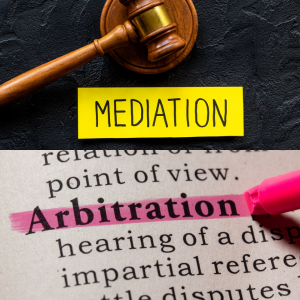
Mediation brings both parties together with a neutral third party who facilitates negotiation. It’s non-binding, which means no outcome is imposed, but that also means sellers are often more willing to participate. Resolutions might include a delayed closing, partial compensation for your costs, or help in identifying comparable replacement properties. Mediation sessions typically cost a few thousand dollars, often split between the parties. Even when mediation doesn’t produce a full resolution, it can narrow the issues and reduce the cost of any litigation that follows.
Arbitration is more formal. An arbitrator reviews the facts and law and issues a binding decision, enforceable like a court judgment. It moves significantly faster than traditional litigation; straightforward real estate disputes can be resolved in as little as 1 to 3 months, compared to 1 to 3 years in court. Arbitration fees vary widely; simple cases may cost a few thousand dollars, while complex disputes can reach $20,000 or more, but still typically run less than full litigation when attorney time is factored in.
Many purchase contracts require mediation before litigation. If your contract includes this provision, follow it carefully. Bypassing required mediation can jeopardize your ability to recover attorney’s fees even if you ultimately prevail.
Frequently Asked Questions
What happens if the seller doesn’t close?
If there isn’t a legitimate contractual reason and the seller doesn’t go through with the sale, they are in breach of contract. You can sue for specific performance and force the sale, seek damages to cover your costs, or walk away with your earnest money returned. If the seller breaches the contract, they cannot legally keep the deposit.
What is the three-day rule for closing?
The three-day rule gives you the right to review the paperwork before the loan documents are signed. Federal law requires lenders to deliver the Closing Disclosure three business days prior to Closing, giving borrowers an opportunity to assess the finalized loan terms against the original loan estimates. This rule provides additional protection to the buyer regarding the loan terms and does not protect against seller breach.
What are typical closing costs on a $300,000 home?
A sale priced at $300,000 would generally result in the buyer paying at closing between $6,000 and $12,000, which is 2 to 4 percent of the sale price. Loan funding, an appraisal, title insurance, and legal fees would all be included in the costs. If a seller breaches the sale, some of these costs could be incurred again to start the sale process for a different property.
Do I need a real estate attorney if the seller backs out?
This really depends on how big the deposit was and how difficult the seller will be. If it were a large deposit, the seller is likely to be more difficult, or if the seller were acting in bad faith, then legal help would be more warranted. A lawyer will be able to help you protect your deposit, help you fulfill your legal options, and help you avoid giving up your legal rights to receive damages by telling you not to sign certain documents. A cancellation agreement is one of the many documents that can totally cancel your rights to receive damages if you sign it without reading the terms. The cost of having a lawyer is definitely much better than the cost of losing your right to legal damages.
A seller backing out at the last minute is stressful, costly, and time-sensitive. The decisions you make in the first few days matter most, and acting without a clear plan can cost you both your deposit and your legal remedies.
Whether you want to fight for the property, recover your costs, or simply move on with your deposit in hand, our team can walk you through your options and help you take the right next step.
Contact us today for a free consultation and find out exactly where you stand and what to do next.
If the fallout has you rethinking your own sale, we buy houses across the metro. We are cash home buyers in Fort Worth, and we also buy houses in Plano, with no repairs, no showings, and a closing date you choose.
Helpful Dallas Blog Articles