
Short answer first: yes, you can. You can sell a house with asbestos in Texas without tearing a single tile out first, because no state law demands removal before you put a sign in the yard. What the state asks for is honesty on paper. Sellers get into trouble over the paperwork far more often than over the material itself.
I’ve bought houses in Texas for years, and plenty of them went up in the era when asbestos turned up in everything from ceiling texture to furnace tape. Almost none of those sellers needed abatement. What they needed was a clear head and one accurate form. A buyer who wouldn’t panic at the word helped too.
Where Is Asbestos Commonly Found in Texas Homes?
If your house was built before the early 1980s, there’s a decent chance something in it contains asbestos. That alone isn’t an emergency.
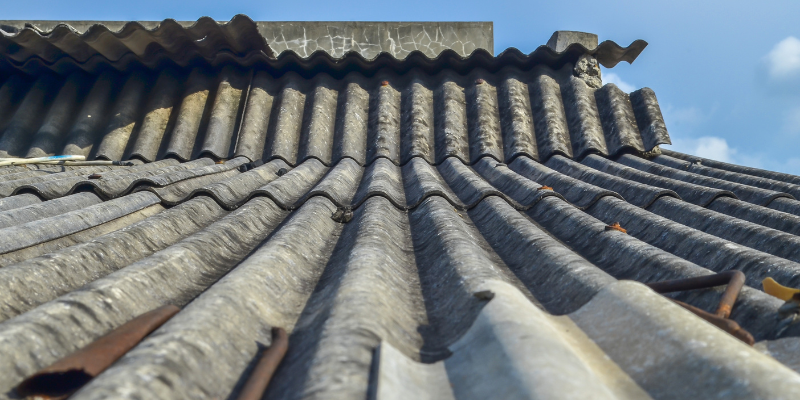
Popcorn ceilings are the first thing I check in a 1960s ranch. Nine-inch floor tile with black mastic underneath runs a close second. It’s common in the older bungalows around Fairmount in Fort Worth and the postwar ranches of Oak Forest in Houston. Duct wrap and furnace tape show up constantly in homes with original gravity systems. Cement siding, roofing shingles, pipe wrap on the water heater, and old joint compound in drywall seams belong on the list too.
Attic insulation gets its own paragraph. Loose, pebbly vermiculite with a gray-brown color is the one material I tell homeowners to stay away from entirely. The EPA says to assume it contains asbestos and leave it undisturbed.
Geography matters more than any price guide admits. Hyde Park in Austin, Monte Vista in San Antonio, and much of East Dallas were built out long before asbestos fell out of favor, so it’s just ordinary housing stock in those zip codes. Galveston’s older homes add salt air and decades of water damage repairs. Patched materials end up layered over original ones.
Sort out early whether anyone has actually confirmed the material or you’re going off a home inspector’s guess. That difference carries real weight once you’re under contract.
If you’re dealing with asbestos in your home, contact us for a no-obligation cash offer. You can sell your house as-is without the hassle of removing or repairing affected materials first.
Friable Vs. Non-friable Asbestos: Why Does It Matter?
Two houses can both test positive and sit in different risk categories. One has intact vinyl tile glued to a slab. The other has crumbling pipe insulation shedding onto the garage floor. I’ve walked through both, and the buyer conversation couldn’t be more different.
Friable asbestos crumbles under hand pressure and puts fibers into the air. Picture deteriorated pipe lagging, damaged ceiling texture, or that vermiculite sitting loose between the attic joists. Non-friable asbestos stays locked inside a hard binder, like floor tile, cement siding, roofing shingles, and mastic. Its fibers don’t go anywhere unless somebody sands, saws, scrapes, or drills into it. EPA guidance for homeowners is blunt about skipping all of that.
Condition drives everything. A non-friable material can turn friable after a roof leak soaks the ceiling for three winters. I’ve bought houses where a slow plumbing drip did exactly that to a hall closet.
A couple of years ago I worked with a young couple in Oak Cliff whose house had sat through two expired agent listings without a single offer. Their inspection report flagged suspected asbestos tile in the kitchen, plus an old workbench setup in the detached garage. Every retail buyer who read that line vanished. The tile was intact, bonded, and about as dangerous as the driveway, and I’ve seen the same thing in plenty of homes I’ve bought since.
My mild heresy is that sellers chase removal quotes for intact, non-friable material far too often. Encapsulation, or just floating new flooring over the old tile, often makes more sense than a full tear-out. Disturbing good material can create a problem that wasn’t there Monday morning.
What Are the Health Risks of Asbestos in Your Home?
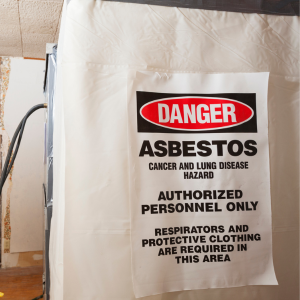
Living in a house with intact asbestos isn’t the health hazard people picture. Sawing into it is.
Asbestos fibers only threaten you when they’re airborne and someone breathes them in. Long-term exposure is linked to asbestosis, lung cancer, and mesothelioma, and federal safety regulators say there’s no safe level of exposure. Both of those facts are true at once. Sellers tend to grab whichever one scares them more, and I’ve watched it happen house after house.
Picture a homeowner who scrapes a popcorn ceiling over a holiday weekend. That one project can release far more fiber than the ceiling shed in forty years of sitting still, which is why renovation is the real trigger. A DIY attic insulation upgrade works the same way. So does a demo day on old siding, or pulling up tile with a pry bar and a shop vac. Undamaged material managed in place poses little risk, while bad removal can leave a home dirtier than it started.
For you as a seller, this mostly means treating the house as a disclosure item instead of a crisis. Keep kids out of an attic with loose insulation. Don’t let a handyman “pop off a few tiles” to see what’s underneath.
Buyers with young children will still care, and I don’t blame them a bit. That’s a question of pricing and audience. It isn’t a safety verdict on your home.
If you’re ready to sell without disturbing the asbestos or paying for removal, A Cash Home Buyer can make a cash offer for your house as-is, with no cleanup or repairs required.
Is It Legal to Sell a House with Asbestos in Texas?
“Won’t I get sued if I check that box?” I hear some version of that in nearly every kitchen where this comes up. The fear runs backward. Checking the box protects you, and staying quiet is what creates liability.
Texas Property Code Section 5.008 requires sellers of a single-dwelling home to give the buyer a written disclosure notice on or before the contract’s effective date. Asbestos components appear on that form alongside radon and lead-based paint. TREC publishes the standard version as Form 55-1, and some agents use the Texas Association of Realtors form instead. If you want the bigger picture beyond asbestos, here’s a plain rundown of what home sellers are legally required to disclose to buyers.
You fill out the notice to the best of your belief and knowledge on the day you sign it. If the notice doesn’t reach the buyer by the effective date, the buyer gets seven days after receiving it to terminate for any reason.
Certain transfers are exempt, including court-ordered sales and sales by a fiduciary settling an estate. An executor may be in a different spot than a typical homeowner, so have a Texas real estate attorney confirm where your sale fits before you sign.
State asbestos rules mostly target public and commercial buildings. Private residences and apartment buildings with four or fewer units aren’t covered. Your county permit office can tell you what a demolition or major renovation would trigger. Selling as-is is legal in Texas. If you want to avoid the hassle of repairs or asbestos removal, investor home buyers in San Antonio and other Texas cities may offer a direct cash sale. Selling silently is a different animal.
Does Asbestos Lower Your Property Value?
Texas posted a median sales price of $330,000 in August 2026, per the Texas Real Estate Research Center’s October 2026 housing report. Homes sold that month spent an average of 65 days on market. That’s the baseline your property gets measured against, asbestos or not.
The hit to value rarely comes from the material. It comes from financing and fear. Conventional buyers borrow money, so lenders order appraisals, and an appraiser who notes deteriorated materials can trigger a repair requirement before closing. FHA and VA appraisals look hard at anything that reads as a health hazard. Lose the mortgage-backed buyer pool and you’ve lost most of your market in one stroke. I’ve watched that happen fast at the negotiating table.
A buyer’s agent sees “asbestos” in an inspection report and asks for a credit three times what the work would cost. Nobody on their side knows the real number either. That’s where negotiations go sideways. Sellers statewide were already taking a median price cut of $14,900 that month, roughly 4 percent off the original ask. An environmental flag hands buyers a reason to push well past that.
After hundreds of houses, my read is that asbestos knocks a modest amount off a well-priced house and an enormous amount off an overpriced one. Pricing does most of the damage people blame on the material. When you’d rather skip the price cuts altogether, we buy as-is and you can sell your house fast in Texas without fixing a thing.
How Much Does Asbestos Removal Cost in Texas?
Asbestos quotes swing harder than almost any other trade, so get three before you trust any of them.
Testing comes first. An inspection with lab analysis usually runs $250 to $800, and you can’t negotiate well over a material nobody has confirmed. Interior abatement runs about $5 to $20 per square foot nationally, according to This Old House’s 2026 cost guide. The average project lands between $1,170 and $3,120.
Exterior work is where budgets break. Siding and roofing abatement can hit $50 to $150 per square foot, so a 200-square-foot area alone might cost $10,000 to $30,000. Sellers often picture that number for the whole house and walk away from the sale.
Encapsulation seals the material in place for about $2 to $6 per square foot. For intact tile or siding nobody plans to disturb, it’s often the smarter call. Don’t pay for remediation before you know whether your buyers care. Skip any contractor who can’t show you DSHS credentials. Plan for the renovation ripple too, since pulled siding needs new siding and pulled tile needs new flooring. The abatement invoice is rarely the last one.
Standard homeowners policies usually treat asbestos as a pollutant and exclude its removal. Some insurers will pay when a covered event like a burst pipe releases it, so call your carrier before you count on a claim.
How Do You Sell a House with Asbestos Fast in Texas?

Cash buyers don’t need an appraisal, and that one fact changes the math on a whole category of houses. No lender means no appraiser writing conditions and no underwriter demanding clearance testing. There’s also no financing contingency to collapse three days before closing. Financed deals work differently, since lenders often send appraisal required repairs in Texas back to the seller before they’ll fund.
You’ve got three real paths. List it retail with full disclosure and price it for the smaller buyer pool. Pay for abatement up front, then list at a normal price and hope the receipts earn back the spend. Or sell as-is for cash and skip the whole negotiation.
Listing retail works when the material is non-friable and the house is otherwise sharp. Paying up front makes sense in a strong neighborhood where comparable sales clearly support the spend. Selling for cash fits owners who value speed and certainty and would rather not write a five-figure check. In my own buying experience, it’s where most people land once they see the repair estimate. Working with a cash-for-houses company in Corpus Christi and the surrounding Texas cities can also give sellers a way to avoid upfront abatement costs and sell the property as-is.
Whichever route you take, fill out the disclosure accurately and keep every test result and contractor invoice in one folder. Hand that folder over at closing. Documentation beats reassurance every time.
An heir I met in Baytown had been quietly covering two mortgages for close to a year on her late father’s place. She was embarrassed to tell her siblings how deep it had gotten. A boat trailer still sat in the carport, the attic held its original insulation, and someone had told her abatement had to happen before anyone would touch the house. We closed on her timeline. She told me the relief was mostly about the monthly bleeding finally stopping.
Frequently Asked Questions
Can You Keep Living in a House with Asbestos Floor Tiles?
Generally, yes. Intact tile bonded to a subfloor isn’t putting fibers into your air, and federal guidance consistently favors leaving undamaged material alone. Watch its condition and skip the power stripper and sander. If a tile cracks or the backing starts breaking down, call a licensed professional instead of sweeping it up yourself.
How Long Can a Buyer Come After You Once the Sale Closes?
Texas gives buyers a window to bring claims tied to a sale, and its length depends on whether the claim is fraud, misrepresentation, or something else. No single number covers every situation. A Texas real estate attorney is the right person to confirm the limitations period for your circumstances. Your practical protection doesn’t change: disclose what you know in writing and keep a copy.
What Should You Avoid Doing Before You List Your House?
Don’t scrape, sand, or demo anything you suspect contains asbestos just to “clean it up” before showings. Don’t leave a disclosure answer blank because you’re unsure. Mark it unknown instead, and never tell a buyer out loud what you left off the form. The big one is spending a pile of cash on remediation before you’ve figured out whether your likely buyer even needs it done.
If you’re sitting on an older Texas house and the asbestos question has you stuck, A Cash Home Buyer is glad to talk it through, whether you end up selling to us or not. Reach out to us at (214) 617-1510 when you want a straight read on your options. No pressure, no obligation, and no one’s going to chase you with phone calls afterward.
Helpful Texas Blog Articles
- Selling Your Parents House In Texas
- Texas Real Estate Closing Costs
- Selling A House With Tenants In Texas
- How To Sell Your House Without A Realtor In Texas
- How To Sell Your House During Divorce In Texas
- Who Pays Closing Costs When Selling a House in Texas
- How to Sell a House With Foundation Issues in Texas
- Appraisal Required Repairs in Texas
- How To Sell An Apartment In Texas
- How To Sell A House In Foreclosure In Texas
- How to Sell a House with Termites in Texas
- Can You Sell a House with Asbestos in Texas